


Opens in a new tab
YEAR ONE IMPACT REPORT
Table of Contents

Micron Agritech

micronagritech.com
Micron Agritech
AI‑powered, on‑site parasite diagnostics for rapid, scalable testing of animals
UN Sustainable Development Goals
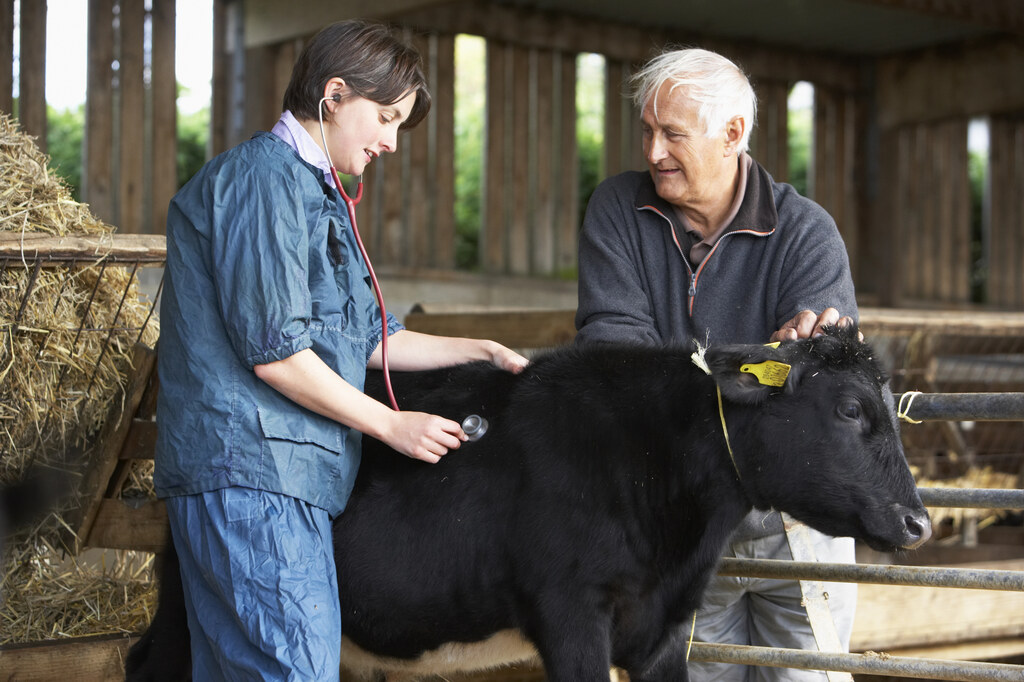
Micron Agritech provides an AI‑driven, on‑site parasite diagnostic platform that lets vets and farmers test livestock and pets in minutes instead of days. Its rapid test‑to‑treat workflow cuts unnecessary antimicrobial use, directly addressing the global resistance crisis. By reducing overtreatment and improving herd health, Micron also helps lower agricultural greenhouse‑gas emissions and supports more sustainable farming practices.

Problem

Gastrointestinal nematodes are the leading global health challenge in animals, yet most producers still rely on blanket anthelmintic treatment, which drives unnecessary dosing, environmental harm, and accelerating resistance. Targeted Selective Treatment offers a proven alternative by testing animals individually or in pooled samples and treating only those above a clinical threshold, improving welfare and reducing medicine use. Adoption, however, remains limited due to misaligned pharmaceutical incentives, slow and costly lab‑based Faecal Egg Count testing, logistical barriers, and the absence of practical point‑of‑care diagnostics. These structural constraints have prevented TST from becoming standard practice despite its clear environmental and health benefits.

Solution

Micron AgriTech addresses these structural barriers. It provides an AI‑powered, in‑practice diagnostic device that delivers a validated Faecal Egg Count (FEC) result in under 10 minutes at point of care. This removes the primary barriers — speed, accessibility, and the two‑visit problem — making data‑driven treatment, Targeted Selective Treatment (TST), the default rather than the exception.

Micron Agritech Impact Overview

Micron AgriTech’s system begins with a simple biological input—fecal samples—paired with dedicated hardware such as the Micron scanner, slides, and a smartphone. These feed into a digital infrastructure of cloud storage and AI algorithms, supported by operator time from vets. Together, these inputs enable fast, standardised, and high‑quality diagnostic workflows that replace slow, manual processes.

Through sample preparation, scanning, digitisation, and AI‑driven detection, Micron AgriTech produces near‑instant diagnostic reports. The system determines whether treatment is needed, archives results in the cloud, and operates with a zero‑waste footprint. This streamlined workflow gives vets and producers reliable, data‑rich insights that directly inform Targeted Selective Treatment decisions.
As testing volumes increase, two core outcomes emerge: more animals receive TST, and more herds shift away from blanket anthelmintic treatment. Over time, data‑driven treatment becomes the norm, reducing unnecessary dosing and mitigating harm to animal welfare, land health, water systems, and ultimately human health.

Impact KPIs

Impact Measurement & Management (IMM) Status
BLUE

Micron Agritech has been compiling the historical metrics needed to set targets for Year 1 and beyond.

KPI 1
Number of tests performed
KPI 2
Number of animals on Targeted Selective Treatment (TST)

Impact Measurement & Management Status Key

  • GREEN

    Green Tag: Monitoring Framework Set

    Fully Set Up & Active Insights: Portfolio companies marked in green, have fully set up their Impact KPI framework. We provide comprehensive insights into their metrics and verified impact outcomes.

  • BLUE

    Blue Tag: KPI Target Set

    Data Collection & Target Calibration: Portfolio companies marked in blue are actively collecting data points to set accurate, realistic targets for their Impact KPIs.

  • ORANGE

    Orange Tag: Early Stage & Onboarding

    Deal Closed, IAC Endorsed, KPIs Set: Portfolio companies marked in orange are at the beginning of the IMM process, having only recently joined our portfolio. They have established initial KPI alignment with the investment team and with guidance from our Impact Advisory Committee (IAC).