


Opens in a new tab
YEAR ONE IMPACT REPORT
Table of Contents

Skygrid

skygrid.ai
Skygrid
Unlocking existing assets, the software delivers a new distributed compute paradigm.
UN Sustainable Development Goals
Skygrid transforms idle EVs into virtual data centres, delivering affordable, low‑carbon, demand‑shifted AI compute through existing assets. By tapping parked vehicles’ onboard power and processing capacity, Skygrid cuts the cost and carbon footprint of AI workloads—offering up to 75% CO₂ reduction potential—and opens access to high‑performance compute through a first‑mover, deep‑tech distributed infrastructure.

Problem

Demand for AI compute is skyrocketing, growing an estimated seven times faster than Moore’s Law. This exponential growth has triggered critical supply shortages, rising prices, and a concentration of computing power among a small number of large tech monopolies. At the same time, growing societal backlash against the power and water demands of data centres is further constraining new supply, with few viable local solutions in sight. Moreover, centralized data centres are highly energy-intensive, place significant strain on local power grids, and contribute materially to global carbon emissions.

Solution

A more distributed computing infrastructure that transforms the high-performance computing (HPC) capacity of parked or charging EVs into a secure, distributed cloud fabric. Skygrid’s proprietary software enables a new computing paradigm by unlocking existing assets to provide additional compute capacity to the market—reducing reliance on new, centralized data centres that are energy-intensive, strain local power grids, and contribute significantly to global carbon emissions.

Skygrid Impact Overview

Modern EVs, PHEVs, and HEVs now carry advanced onboard computing, 5G connectivity, and rich vehicle‑status data. Combined with a cloud architecture, these assets create the foundation for a new distributed compute layer. Parked or charging vehicles represent an underused resource with significant potential to support non‑driving computational workloads.

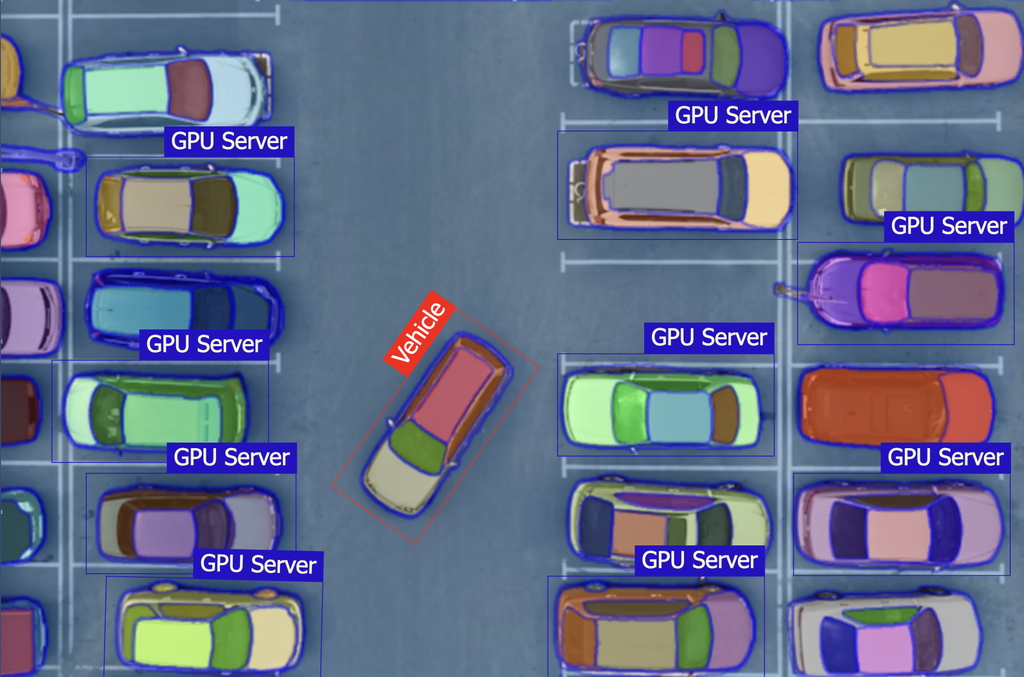
Skygrid activates this capacity by assessing available onboard compute, exposing it externally through secure vehicle connectivity, and bundling thousands of vehicles into a unified compute fabric. By drawing power from the vehicle battery rather than the grid, Skygrid enables cost‑efficient, resilient processing. This aggregated capacity is delivered as a virtual data center accessible via API, optimised for edge‑available model inference and other generic data‑center loads.
Progress toward commercialisation is measured through product readiness, fleet‑integration traction, and validation of high‑value use cases. The long‑term impact is a more distributed computing infrastructure that transforms parked EVs into a secure cloud fabric—reducing reliance on new, energy‑intensive data centers and easing pressure on local power grids and global carbon emissions.

Impact KPIs

Impact Measurement & Management (IMM) Status
ORANGE

Skygrid is gathering metrics to define its KPI targets.

KPI 1
Product readiness. Progress (0-100%) toward a stable, secure, certified system
KPI 2
Supply-side traction. Progress towards integrating automotive fleets on Skygrid.
KPI 3
Demand-side progress & use case validation. Progress towards identifying ideal use cases to run on Skygrid and validating them with customers.

Impact Measurement & Management Status Key

  • GREEN

    Green Tag: Monitoring Framework Set

    Fully Set Up & Active Insights: Portfolio companies marked in green, have fully set up their Impact KPI framework. We provide comprehensive insights into their metrics and verified impact outcomes.

  • BLUE

    Blue Tag: KPI Target Set

    Data Collection & Target Calibration: Portfolio companies marked in blue are actively collecting data points to set accurate, realistic targets for their Impact KPIs.

  • ORANGE

    Orange Tag: Early Stage & Onboarding

    Deal Closed, IAC Endorsed, KPIs Set: Portfolio companies marked in orange are at the beginning of the IMM process, having only recently joined our portfolio. They have established initial KPI alignment with the investment team and with guidance from our Impact Advisory Committee (IAC).